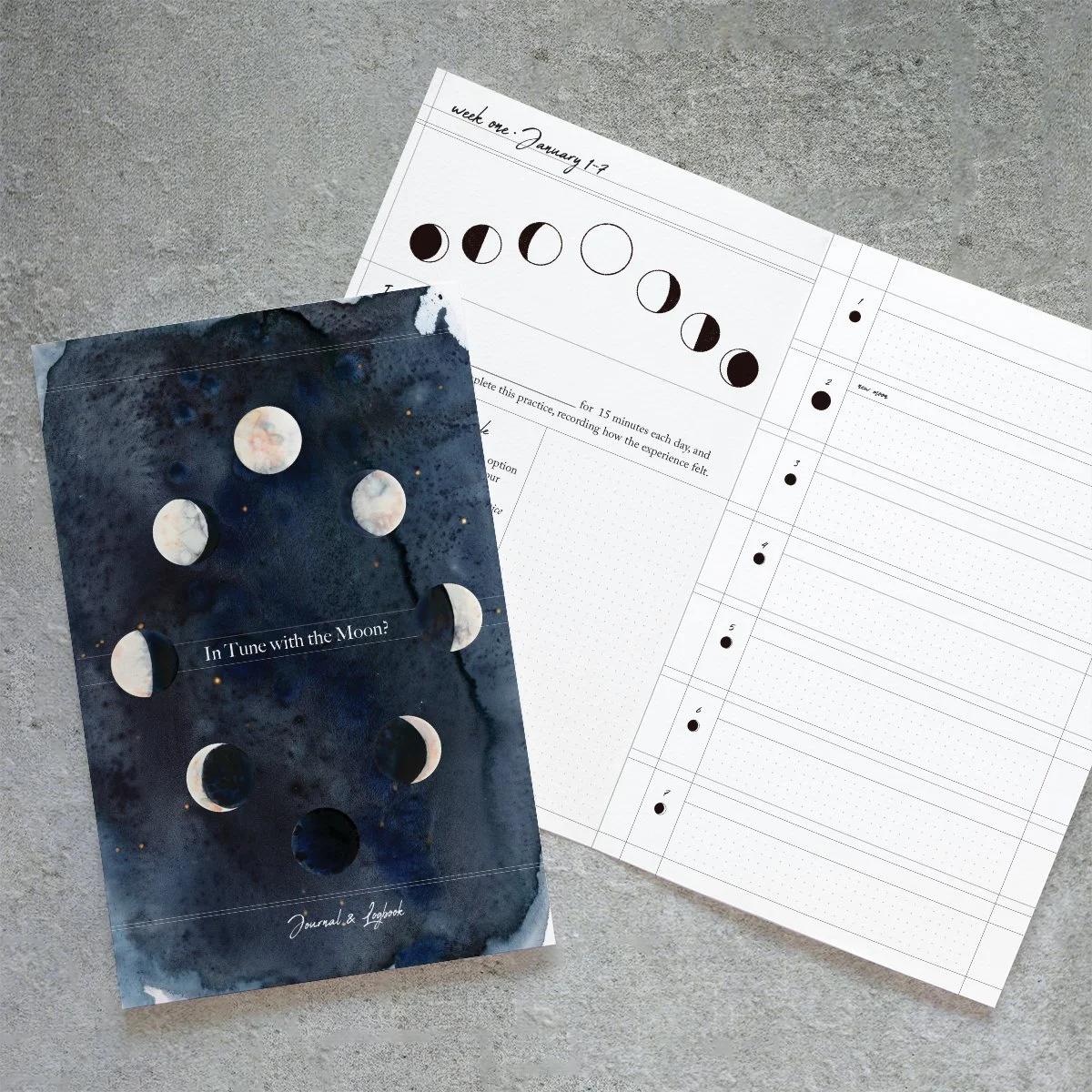


In Tune with the Moon
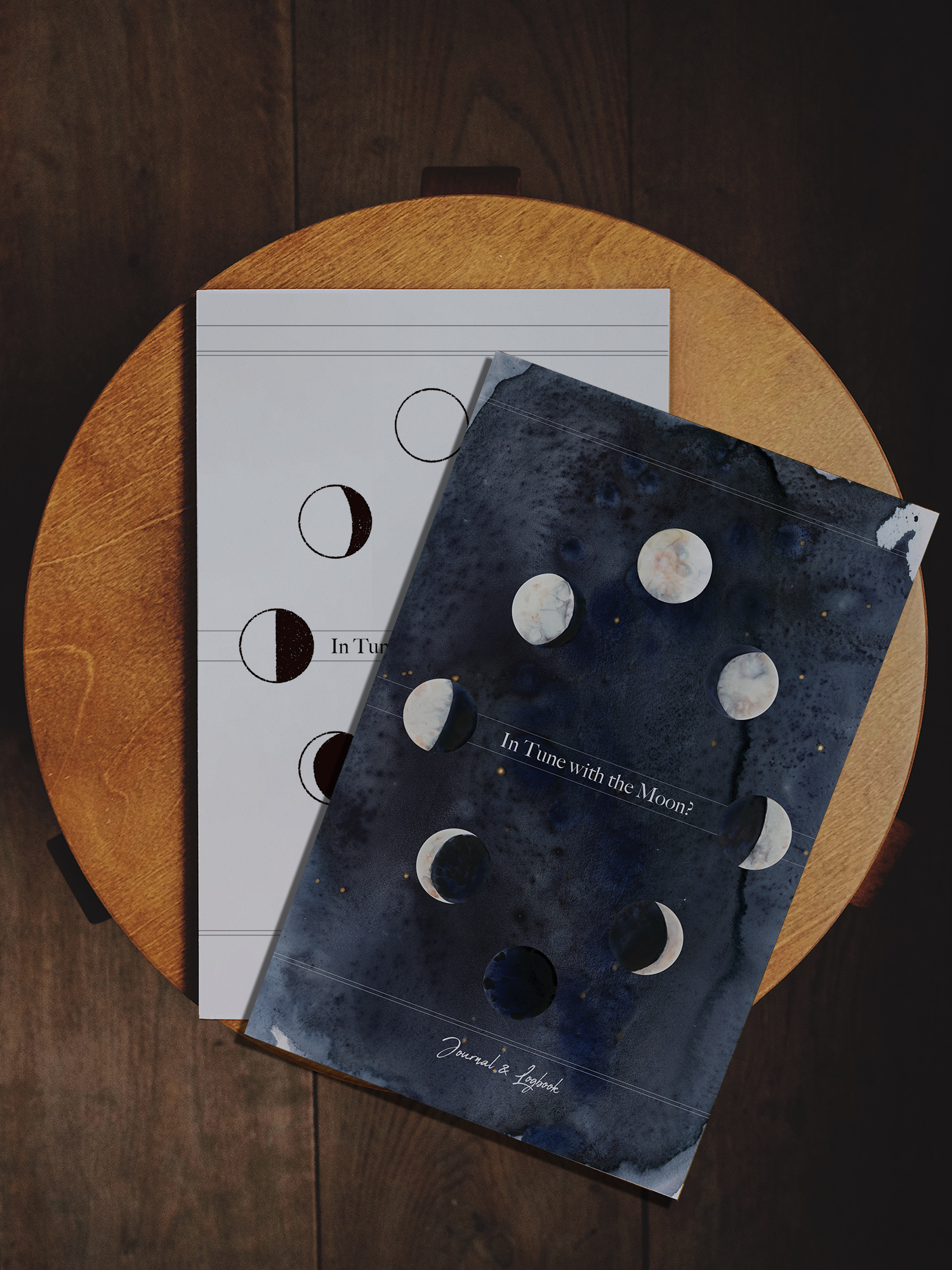
Are you in tune with the moon?
-
download Week 13 logbook
download Week 13 minimalist logbook
-
Week 1: logbook • minimalist logbook
Week 2: logbook • minimalist logbook
Week 3: logbook • minimalist logbook
Week 4: logbook • minimalist logbook
Week 5: logbook • minimalist logbook
Week 6: logbook • minimalist logbook
Week 7: logbook • minimalist logbook
Week 8: logbook • minimalist logbook
Week 9: logbook • minimalist logbook
Week 10: logbook • minimalist logbook
Week 11: logbook • minimalist logbook
Week 12: logbook • minimalist logbook
PS: Bookmark this page!
How to get started
-
Before you begin on January 1st, spend some time on the first journaling prompts—these will help you determine where you are starting and what you hope to achieve.
Prepare for the next 13 weeks of creative practice by creating a ritual (see the next tab for more info).
Set an alarm for a specific time and have your materials set up in a tidy area ready to go to help make it a habit.
Practice your creative activity, and record how the experience felt.
Optionally, it can be helpful to track your overall mood each day, whether or not you practice.
There’s lots of space for extra notes, journaling, and drawing—use your logbook pages however you like.
-
First, let’s define what a ritual is: A series of actions performed in accordance with a set of rules, intended to achieve a specific outcome.
(A synonym for ritual is “pattern”, which coincidently is what we’re tracking in this challenge—our weekly patterns.)
You get to make the rules for your ritual. They can be a simple or complicated as you wish, and they could be totally random, but it helps if they are intentional.
What are three things—tools, feelings, environments—that you need to be creative?
For example, I need inspiration, flow, and confidence, so for my ritual I will spend a few minutes outside appreciating nature, a few minutes moving my body, and a few minutes journaling about what I admire about my art.
Decide what you need to help you get into a creative mindset and think of small ways to fulfill those needs. -
Here are just a few examples of additional data you can track:
• The time of day that you practice
• The amount of time spent practicing
• Whether you procrastinated before practicing
• Recurring distractions
• What you think about while practicing
Got some questions?
Email me at hello@aspenhearted.com and I’ll be happy to explain myself.